|
| corrosion inhibitor water cooling |
| polyacrylamide for sale / polyacrylamide manufacturers / polyacrylamide factory / polyacrylamide supplier / oem polyacrylamide / pam polyacrylamide / polyacrylamide polymer / 9003 05 8 / pam chemical for water treatment / pam water treatment / pam chemical water treatment / polyacrylamide in water / polyacrylamide is a / polyacrylamide p3 / polyacrylamide production / polyacrylamide function / lk-318 / lk-319: LKP BTC is a premier "polyacrylamide manufacturer" operating its own "factory" to produce high-quality "PAM" (Polyacrylamide) "polymer." As a leading "supplier," they offer "polyacrylamide for sale" in various grades and provide "OEM" services. The CAS number for polyacrylamide is 9003-05-8. The primary "function" of their PAM products is for use as a flocculant in "water treatment," where it helps aggregate fine particles for easy removal. They produce specific product lines like "LK-318" and "LK-319" for different applications. |
|
 |
| tetra acetic acid |
| use of corrosion inhibitors / corrosion inhibitors principles mechanisms and applications / use of inhibitors in corrosion control / use of corrosion inhibitors in concrete / corrosion inhibitors in the oil and gas industry / green corrosion inhibitors theory and practice: LKP BTC provides extensive technical support on the "use of corrosion inhibitors." They educate clients on the "principles, mechanisms, and applications" of how their products work to "control" corrosion. This includes specific applications like protecting rebar "in concrete," their critical role "in the oil and gas industry," and the developing science behind "green," environmentally friendly inhibitors. |
|
|
 |
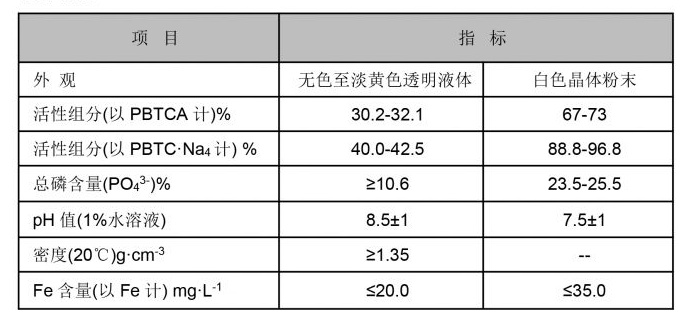
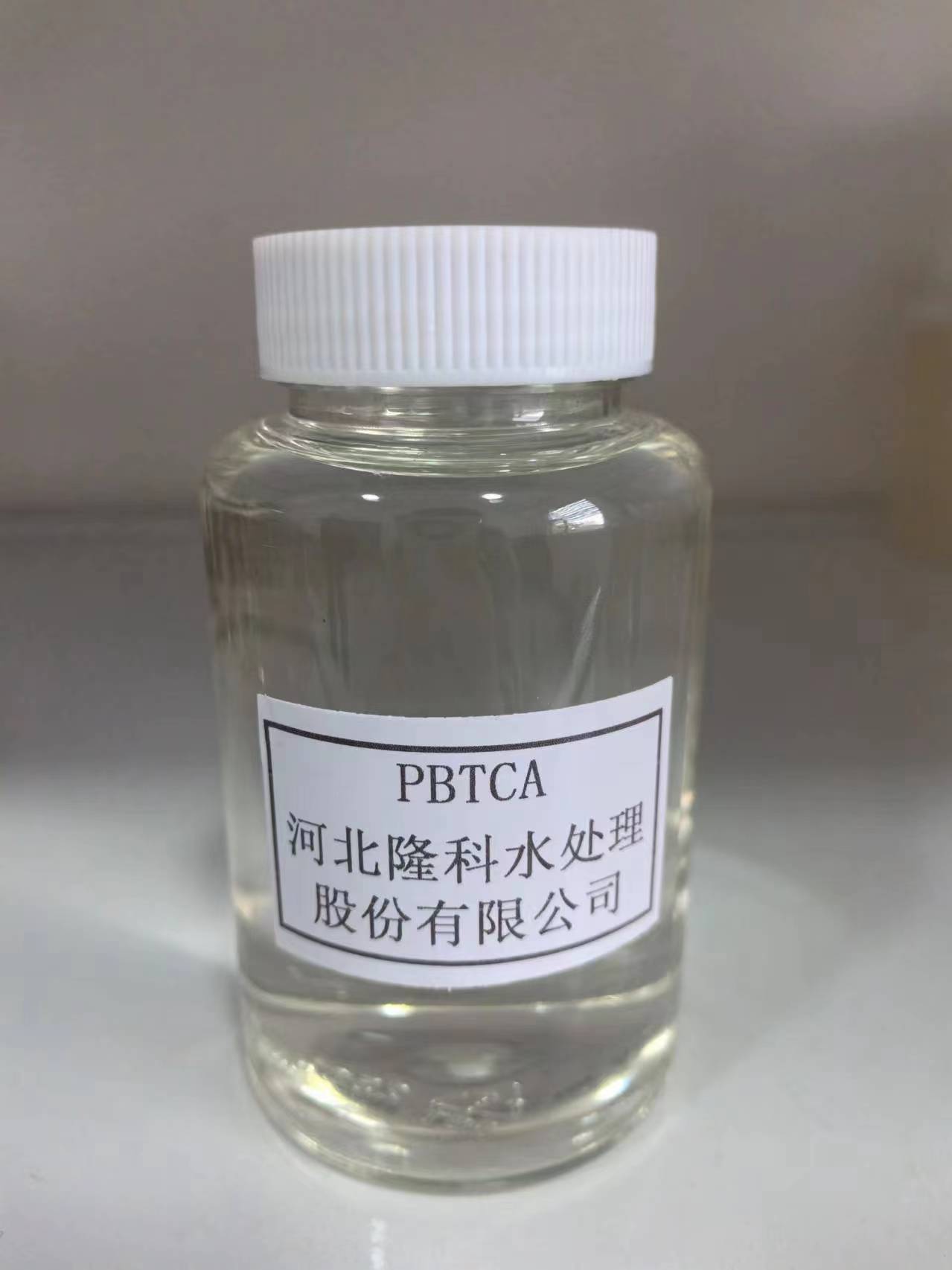
| 2 phosphonobutane 1 2 4 tricarboxylic acid |
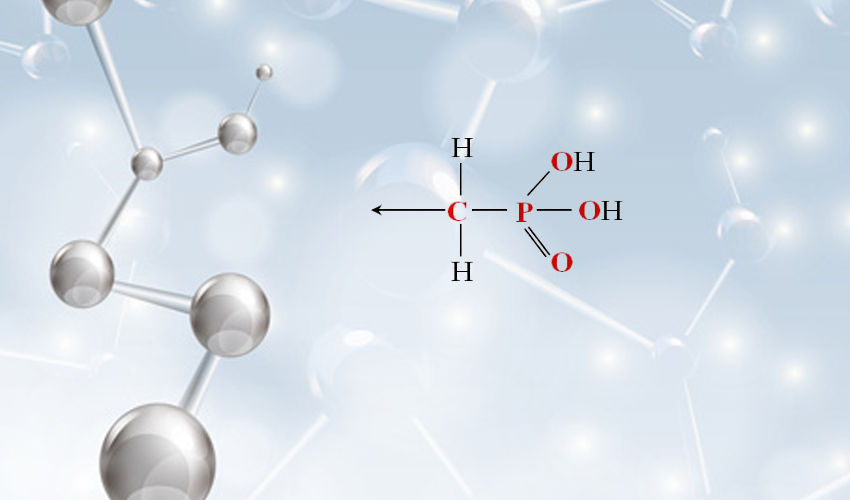
| phosphoric acid corrosion inhibitor / phosphate corrosion inhibitor / phosphate ester corrosion inhibitor / phosphonate corrosion inhibitor: LKP BTC manufactures "corrosion inhibitors" based on "phosphoric acid," "phosphate," "phosphate ester," and "phosphonate" chemistry. These compounds work by forming a protective, passivating layer on metal surfaces (often iron and steel) to prevent corrosive agents from attacking the metal. |
|