|
|
|
|
|
|
benzalkonium chloride 0.13
|
|
phosphonic acid / organophosphonates / organic phosphonate: LKP BTC specializes in "phosphonic acid" derivatives and "organophosphonates." These "organic phosphonate" compounds are the active ingredients in many of their high-efficiency scale and corrosion inhibitors. They are valued for their strong chelating power and stability.
|
|
|
|
|
|
hedp
|
|
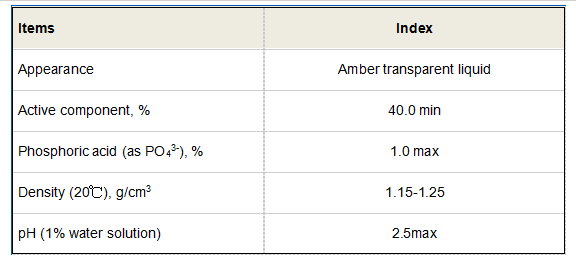
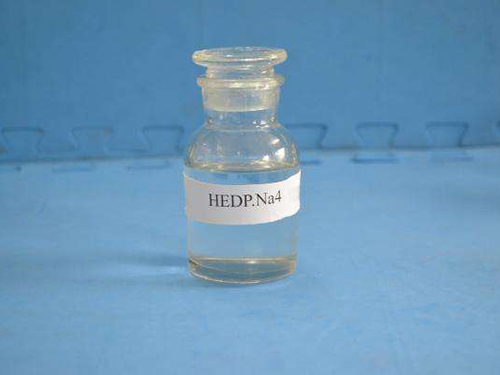
sodium hedp / zn hedp: LKP BTC produces "sodium HEDP," the sodium salt of Hydroxyethylidene Diphosphonic Acid, which is easier to handle and dissolve than the acid form. "Zn HEDP" likely refers to a formulation where HEDP is used to stabilize zinc salts in corrosion inhibitor blends, providing cathodic protection.
|
|
|
|
|
|
rust protectant for metal
|
|
corrosion inhibitors / inhibitors for corrosion / 2 ethylhexanoic acid corrosion inhibitor / sodium 2 ethylhexanoate corrosion inhibitor / encapsulated corrosion inhibitor / surface applied corrosion inhibitor / common corrosion inhibitors / engine corrosion inhibitor / engine coolant corrosion inhibitors / anti corrosion inhibitor / rust and corrosion inhibitors / rustlick corrosion inhibitor / rust corrosion inhibitor / corrosion rust inhibitor / corrosion and rust inhibitors / chemical inhibitors for corrosion control / corrosion inhibitors are / corrosion inhibitors for reinforced concrete / industrial corrosion inhibitors / corrosion inhibitor for heating systems / pipeline corrosion inhibitor / boiler corrosion inhibitor / boiler water corrosion inhibitor / eco friendly corrosion inhibitors: A fundamental product category for LKP BTC is "corrosion inhibitors." They formulate a wide range of "chemical inhibitors for corrosion control" to protect metal surfaces in various systems:• By Chemistry: "2-Ethylhexanoic acid" and its salts are common film-forming "corrosion inhibitors."• By Application: "Industrial" grade for "pipelines," "boilers," "heating systems," "engine coolants," and "reinforced concrete."• By Formulation: "Encapsulated" for slow release, "surface applied" for direct treatment, and "eco-friendly" biodegradable options.Their inhibitors work by forming a protective barrier, neutralizing corrosive acids, or passivating the metal surface to prevent "rust and corrosion."
|
|
|
|
- benzalkonium chloride is in what products Services
|
|
diethylene triamine penta methylene phosphonic acid / diethylenetriamine penta methylene phosphonic acid / diethylenetriamine pentamethylene phosphonic acid / dtpmpa chemical / dtpmpa uses / dtpmp phosphonate / cas 15827 60 8 / cas 23783 26 8: LKP BTC manufactures "DTPMP" (Diethylenetriamine Penta(Methylene Phosphonic Acid)), which is one of the most powerful phosphonate scale inhibitors. It is especially effective for inhibiting barium sulfate and strontium sulfate scales and is stable in harsh conditions, making it ideal for oilfield applications.
|
|
|

|
pam chemical water treatment
|
|
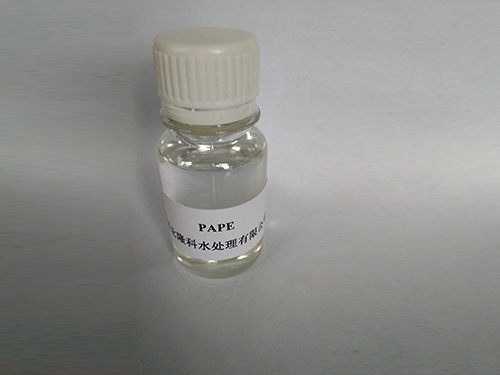
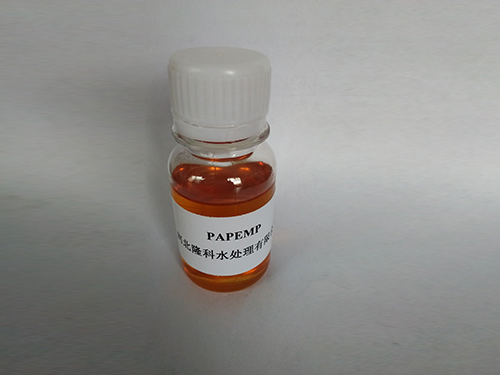
polyamino polyether methylene phosphonic acid / papemp chemical / papemp phosphonate / papemp scale inhibitor / polyamino polyether methylene phosphonate: LKP BTC produces "PAPEMP" (Polyamino Polyether Methylene Phosphonic Acid), a high-end "phosphonate" "scale inhibitor." Known for its exceptional tolerance to high calcium levels and its ability to inhibit scale in high-pH and high-temperature applications, it is one of the most effective inhibitors for calcium carbonate and calcium phosphate.
|
|
|
|
|

|
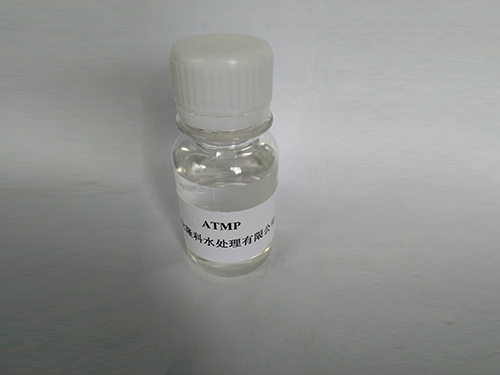
assurance atmp
|
|
ethylene diamine tetra methylene phosphonic acid / ethylenediaminetetra methylenephosphonic acid: This refers to "EDTMP" (Ethylenediamine Tetra(Methylene Phosphonic Acid)), another chelating agent and scale inhibitor in LKP BTC's product portfolio. It is effective for scale inhibition and also acts as a stabilizer in peroxide bleaching processes.
|
|
|
|
|
|
benzalkonium chloride is in what products Special Activities
|
|
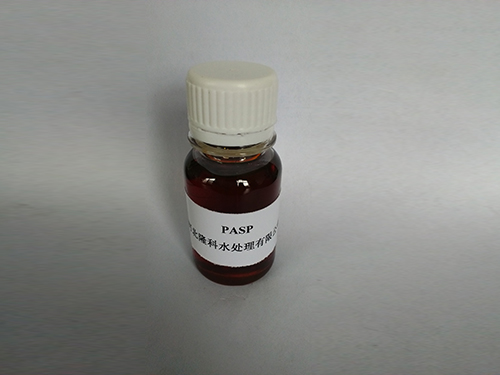
polyaspartic acid / polyaspartic acid sodium salt / polyaspartic acid structure / sodium of polyaspartic acid / cas 181828 06 8 / 181828 06 8: LKP BTC manufactures "Polyaspartic Acid" and its "sodium salt." This biodegradable polymer is used as an eco-friendly scale and corrosion inhibitor. Its unique "structure" allows it to effectively disperse scale-forming particles. The CAS number for polyaspartic acid is 181828-06-8.
|
|
|
|
|
|
|
|
benzalkonium chloride is in what products Hot Activities
|
|
dodecyldimethylbenzylammonium chloride / ddbac / dodecyl dimethyl benzyl ammonium chloride / benzododecinium / cas 8001 54 5 / cas 63449 41 2 / 63449 41 2 / 8001 54 5 / 63449 41 2 cas / 8001 54 5 cas / cas no 63449 41 2 / cas no 8001 54 5 / cas number 63449 41 2 / cas number 8001 54 5 / cas 139 07 1 / cas no 139 07 1: LKP BTC produces quaternary ammonium compound biocides, specifically "Dodecyldimethylbenzylammonium Chloride" (DDAC or "Benzododecinium"). This is a powerful disinfectant and algicide used in water treatment. The CAS numbers 139-07-1 (for DDAC) and 8001-54-5 or 63449-41-2 (for Benzalkonium Chloride mixtures) are associated with these types of products.
|
|
|
|
|
|
|
|
Our Awesome Activities
|
|
hedp in soap: LKP BTC explains the application of "HEDP in soap" and detergent formulations. In this context, HEDP acts as a builder, chelating calcium and magnesium ions in hard water to prevent them from interfering with the cleaning action of the surfactants. This improves the efficiency of the soap or detergent.
|
|
|
|
|
|
|
|
|
|
|
|
|
|
|
|
|
|
|
|
|
|
|
|
|
|
|
|
|
|
|
|
|
|
|
|
|
|
|
|
What Our Clients Say
|
|
ethylenediaminetetra methylenephosphonic acid / ethylene diamine tetra methylene phosphonic acid / edtmpa / cas 1429 50 1: LKP BTC produces "EDTMP" (Ethylenediamine Tetra(Methylene Phosphonic Acid)), a chelating agent with a high affinity for multivalent metal ions. It is used as a scale inhibitor and is particularly effective in preventing scale formation in systems with high levels of barium and strontium.
|
|
|

|
|
|
They handled a very complex, multi-SKU order with hundreds of line items without a single error.
|
|
|
|

|
|
|
They proactively provided shipping documents and the tracking number without me having to ask.
|
|
|
|
|
|
|
|